People listing

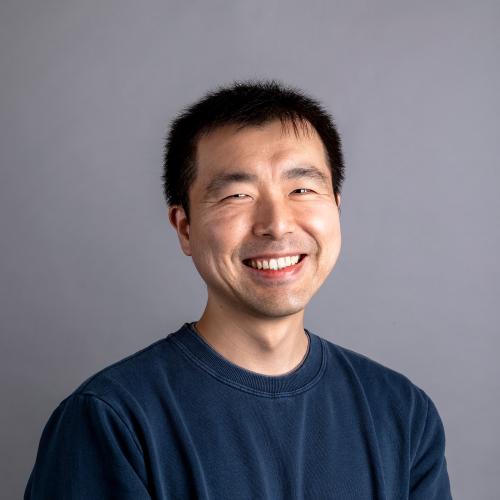
Emanuele Cocucci, MD, PhD
Associate Professor
Dr. Cocucci studies basic mechanisms of membrane trafficking and is interested in how these processes deviate during cancer development when compared to normal cells. His research adopts multiple techniques, including traditional biochemistry, cell biology, and high resolution fluorescent live cell microscopy. Dr. Cocucci’s goal is to define novel targets for cancer therapy and to improve drug delivery, studying the internalization pathways and the mechanisms of endosomal escape adopted by artificial and biological nanovectors.
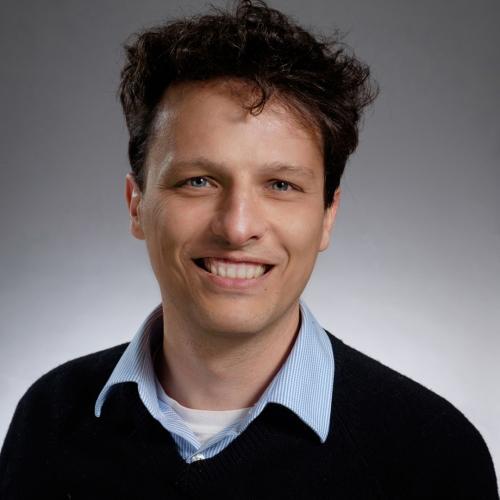
Terry Elton
Professor
MicroRNAs (miRNAs) are a family of small nonprotein-coding RNAs that have emerged as important regulators in cardiac developmental and pathological processes. They are genomically encoded and are initially transcribed as part of much longer molecules that become processed into a mature ~22-nucleotide-long form. miRNAs are generally regarded as negative regulators of gene expression that inhibit translation and/or promote messenger RNA (mRNA) degradation by base-pairing to complementary sequences within protein-coding mRNA transcripts. Hundreds of human miRNA genes have been identified and bioinformatic analyses indicate that miRNAs might regulate the expression of more than a third of human protein-coding genes, highlighting the potential magnitude of their influence on gene expression. Given the increasingly important roles of miRNAs in heart development and function, the lab hypothesizes that aberrant regulation of miRNAs may play a role in mediating cardiovascular disease. Therefore, one major focus of Elton’s laboratory investigates miRNA expression and gene regulation in various cardiovascular diseases.

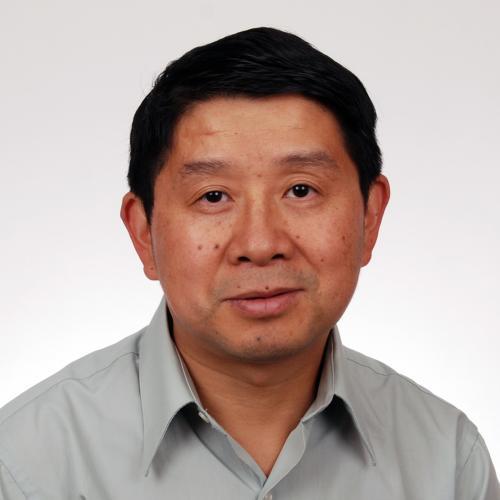
Peixuan Guo, PhD
Professor
Dr. Guo works on both basic research and its subsequent practical applications, focusing on understanding the mechanisms and assembly of viral DNA packaging motor, and using components of the biomotor for various applications. By applying interdisciplinary approaches including chemistry, biophysics, biochemistry, nanotechnology, bioengineering, molecular biology, cell biology, computer modeling, and pharmaceutical sciences, Dr. Guo studies RNA, DNA and proteins and their interaction.
Dr. Guo’s current project areas are:
RNA nanotechnology and its application for the delivery of siRNA/miRNA/drug for the treatment of cancers, viral infection, and genetic diseases
Nanobiotechnology, including structure, function and mechanism of Phi29 DNA-packaging nanomotor
Single molecule imaging and optical instrumentation to study the interaction of RNA, DNA, and protein
Single pore technology for DNA sequencing, macromolecule detection, and disease diagnosis, using channels of variety of viral DNA packaging motors
Dr. Guo’s current project areas are:
RNA nanotechnology and its application for the delivery of siRNA/miRNA/drug for the treatment of cancers, viral infection, and genetic diseases
Nanobiotechnology, including structure, function and mechanism of Phi29 DNA-packaging nanomotor
Single molecule imaging and optical instrumentation to study the interaction of RNA, DNA, and protein
Single pore technology for DNA sequencing, macromolecule detection, and disease diagnosis, using channels of variety of viral DNA packaging motors
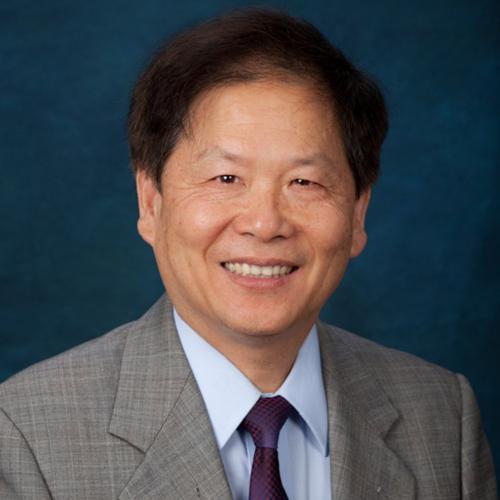
Kari Hoyt, PhD
Professor
Our research team members are engaged in pre-clinical target identification for pharmacologic treatment of neurodegenerative and psychiatric disorders. We use in vivo and in vitro high-resolution fluorescence microscopy and high-content analysis of live neurons to reveal complex interactions between signaling pathways that regulate cell survival/function and circadian clock signaling. This work is designed to identify new avenues of chronotherapeutic target development for CNS disorders. Current work focuses on two related themes: (1) Alzheimer’s Disease and desynchronization of cortico-limbic circadian rhythms and (2) MAPK signaling: gates, oscillators and circadian timing.

Kou-San Ju, PhD
Associate Professor
My interdisciplinary research program is inspired by the metabolic diversity of microorganisms and the vast array of compounds they produce. Working at the interface of chemistry and biology, my group combines approaches in chemistry, biochemistry, bioinformatics, genetics, and systems biology to discover new natural products, identify bioactivity and mode of action, and to decipher the metabolic basis of their biosynthesis. Ultimately, we seek to translate insights gained from our investigations into solutions for modern day challenges facing human health and the environment. These include new antibiotics to counter drug-resistant pathogens, novel herbicides and biocontrol agents to improve pest management and food security, and engineered biocatalysts to facilitate chemical production by green chemistry and industrial biotechnology.
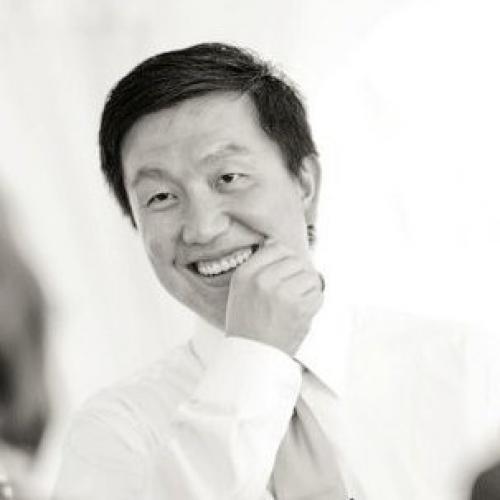
Kwangwoon “Jon” Lee, PhD
Assistant Professor
The Chromatin Design Lab develops engineered proteins and biosensors to study chromatin regulation and transcriptional control. We aim to create custom molecular tools, including mutant-selective binders and sensors that recognize specific combinations of post-translational modifications. These approaches will be used to investigate how histone modifications and transcription factors regulate gene expression, and to design new strategies for targeting diseased epigenetic regulation.