People listing

Xiaolin Cheng, PhD
Professor
Dr. Cheng’s laboratory aims to develop an interdisciplinary research program centered on Computer Aided Drug Design and Discovery. Closely collaborating with experimental chemists and biologists, our group utilizes a myriad of computational modeling & simulation, and data analytics techniques to understand molecular basis of drug action and to rationally design new drug molecules. Our group also has long-standing interests in: a) developing and applying multiscale computational techniques to investigate the structure, dynamics and function of complex biomolecular (and cellular ) systems; and b) bridge large-scale molecular simulation with systems biology (cellular metabolism and signaling networks) towards a new drug discovery paradigm.

Emanuele Cocucci, MD, PhD
Associate Professor
Dr. Cocucci studies basic mechanisms of membrane trafficking and is interested in how these processes deviate during cancer development when compared to normal cells. His research adopts multiple techniques, including traditional biochemistry, cell biology, and high resolution fluorescent live cell microscopy. Dr. Cocucci’s goal is to define novel targets for cancer therapy and to improve drug delivery, studying the internalization pathways and the mechanisms of endosomal escape adopted by artificial and biological nanovectors.
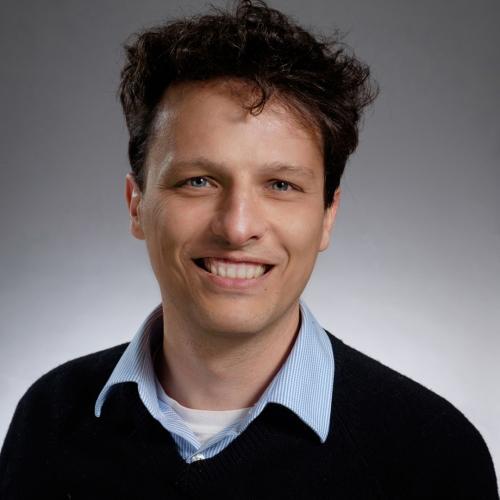
Rajgopal Govindarajan, DVM, PhD
Chair of the Division of Pharmaceutics and Pharmacology
Dr. Govindarajan’s laboratory is interested in understanding and overcoming drug resistance in pancreatic cancer. His training is in the areas of animal sciences, cancer biology and drug transport-based pharmacokinetics, and has extensively used cell and animal models to evaluate nucleoside and oligonucleotide therapies. He also developed several new insights into the pharmacology and cytotoxicity of nucleoside analog drugs. Current focuses in his laboratory are to understand the epigenetic alterations in pancreatic cancer and to evaluate novel epigenetic reversal agents for effective pancreatic cancer treatment. Understanding epigenetic regulation of pluripotent stem cell factors in microRNA biogenesis is also of interest.

Peixuan Guo, PhD
Professor
Dr. Guo works on both basic research and its subsequent practical applications, focusing on understanding the mechanisms and assembly of viral DNA packaging motor, and using components of the biomotor for various applications. By applying interdisciplinary approaches including chemistry, biophysics, biochemistry, nanotechnology, bioengineering, molecular biology, cell biology, computer modeling, and pharmaceutical sciences, Dr. Guo studies RNA, DNA and proteins and their interaction.
Dr. Guo’s current project areas are:
RNA nanotechnology and its application for the delivery of siRNA/miRNA/drug for the treatment of cancers, viral infection, and genetic diseases
Nanobiotechnology, including structure, function and mechanism of Phi29 DNA-packaging nanomotor
Single molecule imaging and optical instrumentation to study the interaction of RNA, DNA, and protein
Single pore technology for DNA sequencing, macromolecule detection, and disease diagnosis, using channels of variety of viral DNA packaging motors
Dr. Guo’s current project areas are:
RNA nanotechnology and its application for the delivery of siRNA/miRNA/drug for the treatment of cancers, viral infection, and genetic diseases
Nanobiotechnology, including structure, function and mechanism of Phi29 DNA-packaging nanomotor
Single molecule imaging and optical instrumentation to study the interaction of RNA, DNA, and protein
Single pore technology for DNA sequencing, macromolecule detection, and disease diagnosis, using channels of variety of viral DNA packaging motors
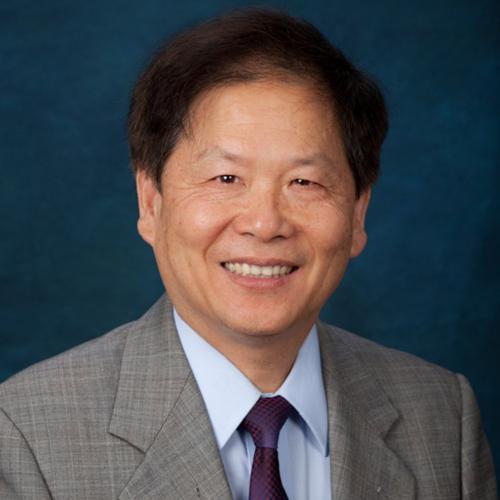
Kou-San Ju, PhD
Associate Professor
My interdisciplinary research program is inspired by the metabolic diversity of microorganisms and the vast array of compounds they produce. Working at the interface of chemistry and biology, my group combines approaches in chemistry, biochemistry, bioinformatics, genetics, and systems biology to discover new natural products, identify bioactivity and mode of action, and to decipher the metabolic basis of their biosynthesis. Ultimately, we seek to translate insights gained from our investigations into solutions for modern day challenges facing human health and the environment. These include new antibiotics to counter drug-resistant pathogens, novel herbicides and biocontrol agents to improve pest management and food security, and engineered biocatalysts to facilitate chemical production by green chemistry and industrial biotechnology.

Kwangwoon “Jon” Lee, PhD
Assistant Professor
The Chromatin Design Lab develops engineered proteins and biosensors to study chromatin regulation and transcriptional control. We aim to create custom molecular tools, including mutant-selective binders and sensors that recognize specific combinations of post-translational modifications. These approaches will be used to investigate how histone modifications and transcription factors regulate gene expression, and to design new strategies for targeting diseased epigenetic regulation.
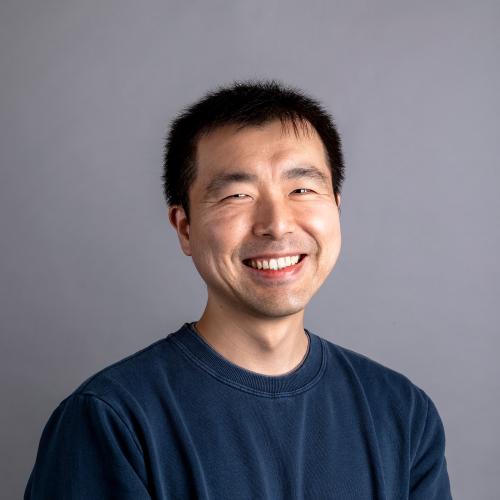
Blake R. Peterson, PhD
Chair of the Division of Medicinal Chemistry & Pharmacognosy
Dr. Peterson’s research group works to design, synthesize, and discover small molecules that affect the proliferation of cancer cells and associated immune cells that support malignancy. To identify these compounds, the Peterson laboratory synthesizes fluorescent molecular probes as tools for drug discovery. These probes are used to create target-based or phenotypic drug discovery assays to identify anticancer agents with novel mechanisms of action. To optimize and evaluate these compounds, they use synthetic organic chemistry, medicinal chemistry, and chemical biology approaches. In conjunction with high throughput screening by confocal microscopy, flow cytometry, and other related techniques, his laboratory identifies chemical probes of biological systems, uncovers mechanisms of biologically active agents, and discovers hit and lead compounds for the development of therapeutics.