Academic Fellowships 101
This article was published in The Script Magazine – Spring 2026.
The leap from graduate/professional training to a career in academia can feel both exciting and uncertain. Having been in school for decades, it’s daunting to suddenly translate advanced degree training and a love for teaching into practice.
Luckily, emerging scholars can pursue an academic fellowship, a professional post-doctoral position that bridges that gap.
At The Ohio State University College of Pharmacy, academic fellowships play a critical role in preparing professionals from PharmD and PhD programs to pursue careers as instructors.
“While many pharmacy residencies focus on clinical specialized training, this program allows individuals to see within academia,” said Nicole Kwiek, PhD, professor and senior associate dean for academic affairs and educational innovation. “It’s a valuable opportunity because it gives fellows the autonomy to transition from a student mindset to a professional one, where they are the ones defining their scholarly interests and projects.”
Each cohort ranges in size from one to three fellows and is led by Dr. Kwiek; James McAuley, RPh, PhD, FAPhA, associate dean of student success and professor; and Molly Downing, PhD, assistant professor and associate director of Generation Rx.
During their one-to-two-year terms, the academic fellows are immersed in a core of academic work. Mentorship is vital as most fellows have yet to engage with scholarly disciplines at this level.
Fellows develop their own skills by engaging in four areas of work, receiving close mentorship in each area from a member of their Faculty Advisory Board (FAB).
The fellowship model was originally designed to mirror the responsibilities of a pharmacist-faculty practitioner, providing fellows with structured experience across the “four buckets” of professional effort. Since demand for post-doctoral academic training has increased, the model has expanded to cater to PhD-trained fellows as well.
Dr. Downing completed an academic postdoctoral fellowship at the College of Pharmacy from 2010-2012.
“At the end of my pharmacology PhD program, I recognized that I didn’t want to do bench research but wanted to contribute to the field in a meaningful way through education,” she said. “A fellowship offered an additional space to engage meaningfully with the field of pharmacy as both researcher and instructor. That role allowed me to develop key skills that there hadn’t been as much room for in my PhD.”
Dr. Downing touts the fellowship’s flexibility in meeting postdocs where they’re at. Regardless of PharmD or PhD background, the experience encourages fellows to grow as instructors and leverage their background accordingly.
In fact, the variety of fellows ensures a stronger environment for their growth.
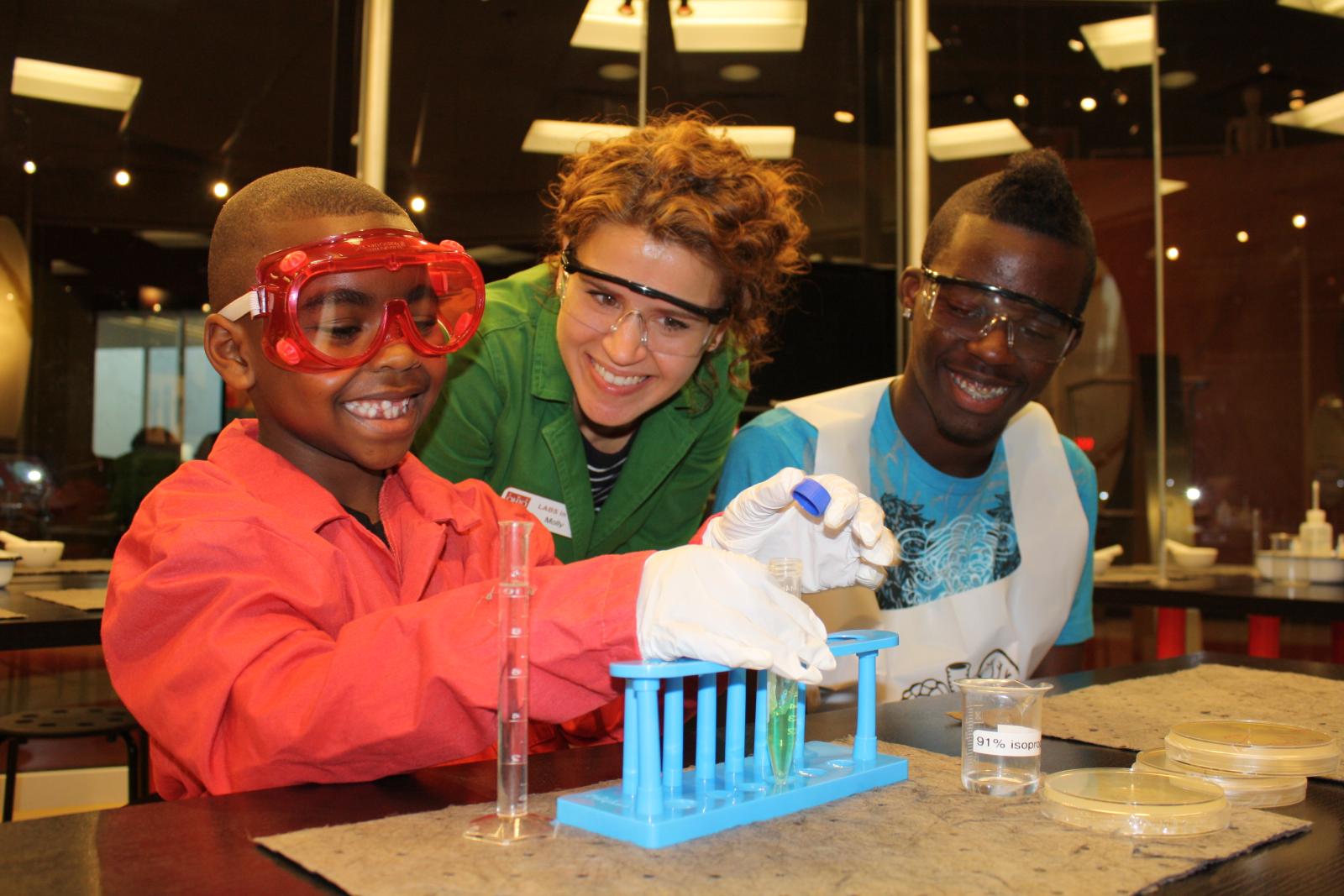
“Because we attract a diverse range of candidates – from entry-level pharmacists to PhDs in pharmaceutical sciences – we work closely with each fellow to align their responsibilities with their long-term career goals,” Dr. Kwiek said. “We don’t believe in a ‘one-size-fits-all' model. What truly sets our program apart is our commitment to tailoring the experience to the individual.”
Academic fellows share an office space on the first floor of Parks Hall, where they serve as each other’s sounding boards, share their own expertise where necessary and push one another to consider new perspectives.
Academic fellow Josie Silvaroli, PhD ’24, swaps ideas with a rotating cast of fellows ranging from new PhD and PharmD graduates to experienced researchers and practitioners who have decided to pursue a career as an instructor.
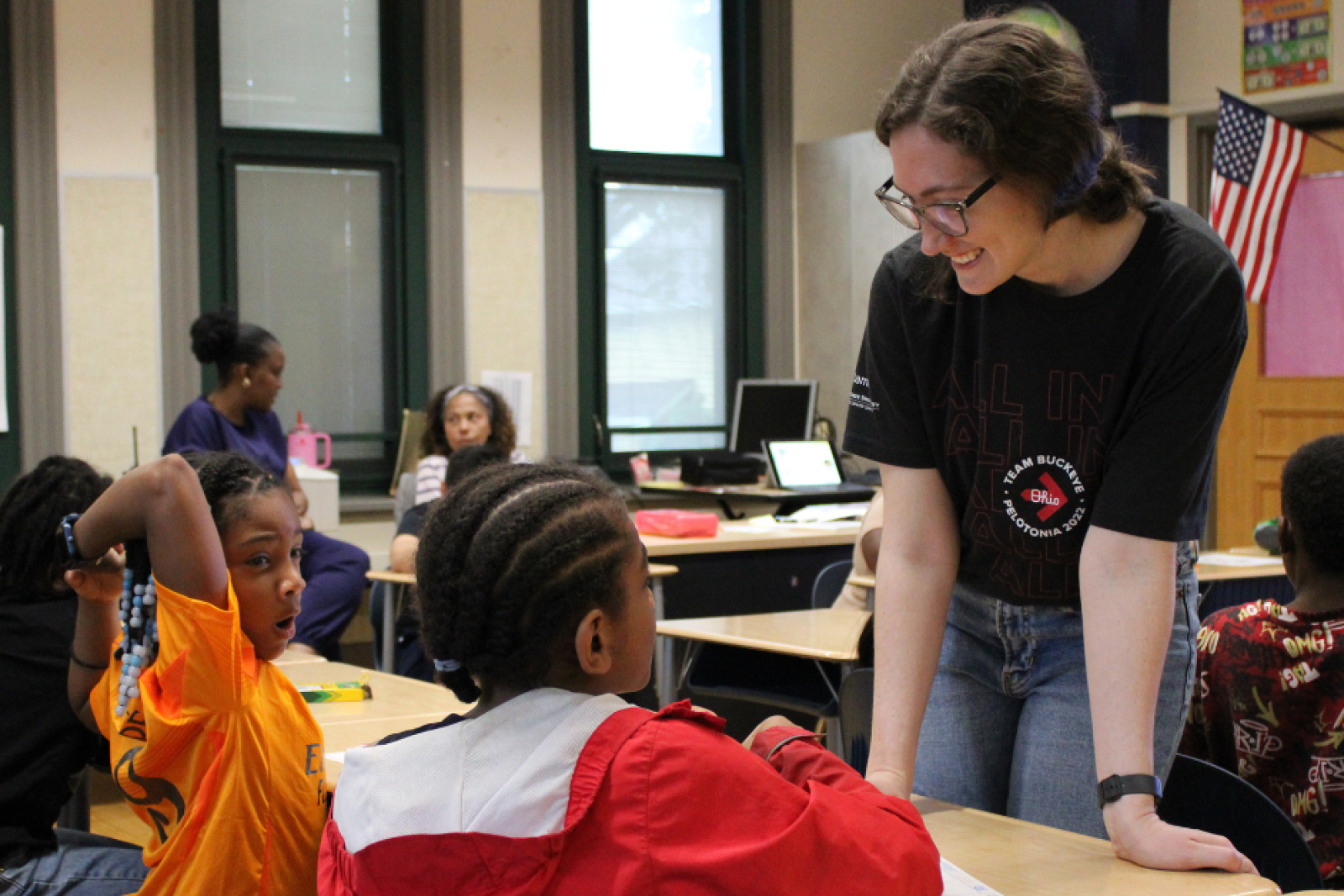
“An academic fellowship broadens your skill set, wherever you’re starting from,” Dr. Silvaroli said. “I’ve become an educator and curriculum designer from elementary schools all the way to PharmD students, which has meant stepping outside of my background as a graduate researcher in the college. Teaching and researching with this team to support me has shown me how to manage classrooms, be flexible and adapt to all kinds of crazy situations.”
As the next generation of instructors enhance their skills, they give back tenfold to the college through curriculum delivery, community outreach and advancement of impactful pedagogical research.
“Since the fellowship provides a safe, mentored space for experimentation, these scholars often serve as the catalysts for our newest educational innovations,” Dr. Kwiek highlighted.
Current academic fellow Brittney Mize, PhD ’23, exemplifies the significance of fellows’ research, conducting extensive investigation of artificial intelligence tools in the classroom. Read more about Dr. Mize’s fellowship journey.
“The individuals who wind up in these roles are so passionate about what they do. It’s incredibly invigorating,” Dr. Downing emphasized. “Of course, they help us to complete deliverables as a college, but their energy and creative insights as they execute those enrich our college community so much.”