PharmD students offer preventative health checks to campus community
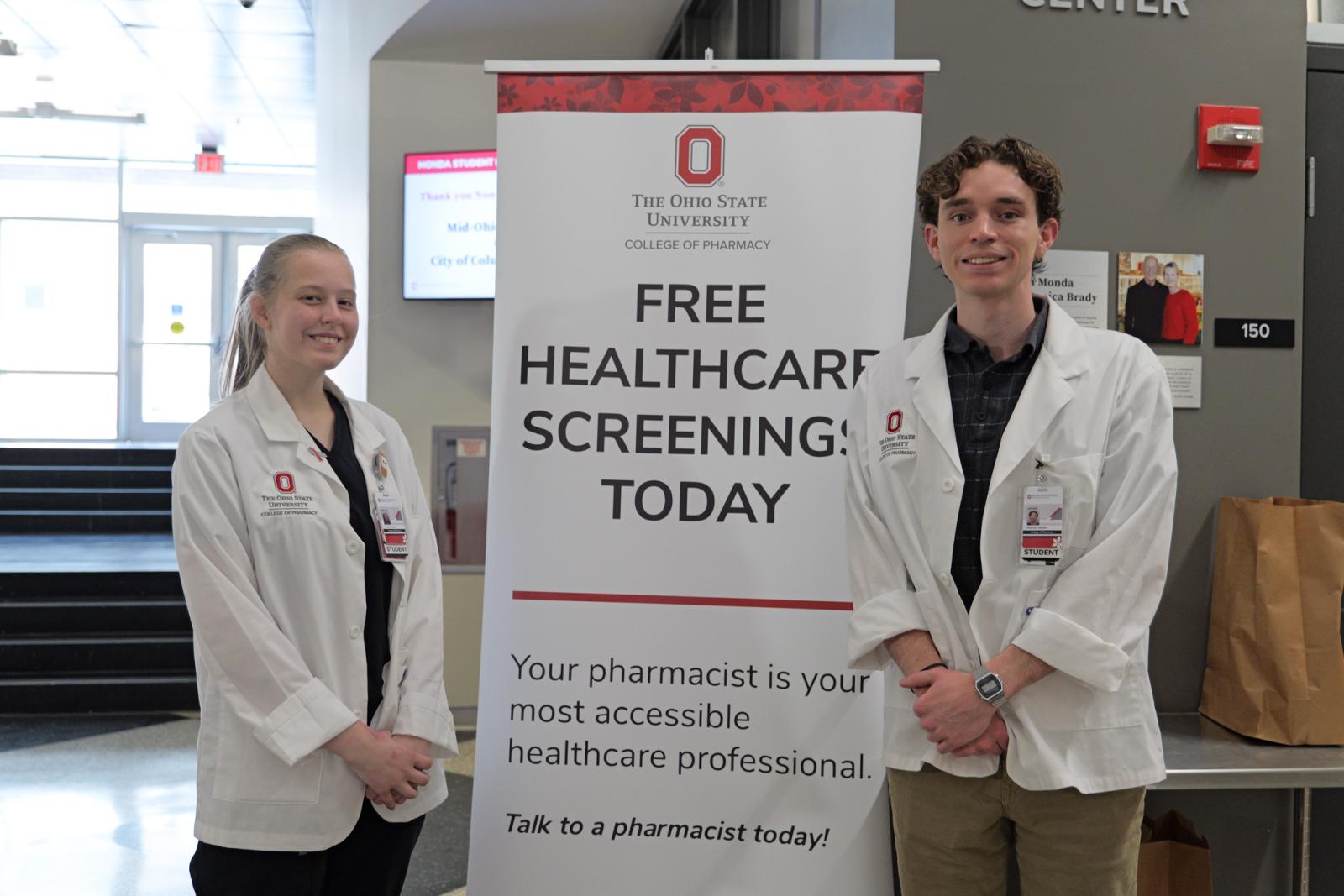
With a campus covering over 1,000 acres and a student body of 64,000, The Ohio State University can feel like its own city. This makes offerings like point-of-care-testing (POCT) an important service to support student population health.
The College of Pharmacy has been addressing this need for preventative care since the 1990s by organizing POCT events around central Ohio and training Doctor of Pharmacy (PharmD) students to perform blood pressure (BP) and blood glucose (BG) screenings for community members.
“For students, they may have health insurance for a different city or lack transportation or funding for a medical visit. These are regular barriers that keep students from making preventative care appointments,” said Joesie Schmotzer, a first-year PharmD student (P1). “By providing POCT events on campus, students can participate in a health screening without needing to find transportation or the money to pay for an appointment.”
Schmotzer is one of 127 PharmD students to complete POCT certification at the College of Pharmacy in the past year. The certification process launched in 2020 and was incorporated into the PharmD curriculum a couple of years later, with students undergoing training during their time in the Integrated Patient Care Laboratory (IPCaL). Students recertify through the college during their P2-P4 years.
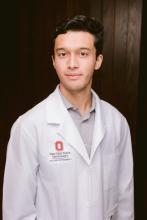
“When we prioritize screenings as future health care providers, we become authentic advocates for our patients. It fosters a culture of health consciousness within our community.”
POCT training prepares students to offer BP and BG screenings and provide basic interventions for common disease states such as hypertension and diabetes.
“Many patients don’t regularly see a primary care physician or may only seek health care when they are acutely ill,” said Jennifer Rodis, PharmD, FAPhA, associate dean for outreach and engagement and professor at the college. “This can be for a variety of reasons; however, this behavior can cause chronic diseases with few to no symptoms in their early stages—like hypertension and diabetes—to sneak up on people. Accessible testing like this that also connects folks to treatment can prevent further progression of these diseases.”
Once certified, students can volunteer to assist with College of Pharmacy screening events around campus and in other areas of the community. These screenings provide students with direct patient interaction and experience beyond a traditional medical setting.
Since the introduction of POCT training at the college, student interest and community impact have flourished. Since 2020, over 600 community members have received screenings via student pharmacists at college-sponsored events.
“POCT events are unique because they can be held at a variety of locations,” Schmotzer said. “I participated in an event on campus and another in downtown Columbus. The patient demographics differed significantly between the two locations. It’s valuable to be able to help different groups of people and practice communicating with patients of different backgrounds, cultures and ages.”
Since spring 2025, Dr. Rodis has worked with PharmD students to offer BG and BP screenings on campus. During the spring 2026 semester, Schmotzer served as one of the student volunteers approaching potential patients with the offer of preventative screening. Through the screening process, students administered POCT, analyzed the results in real time and counseled their patients on what the results indicated about their health and next steps.
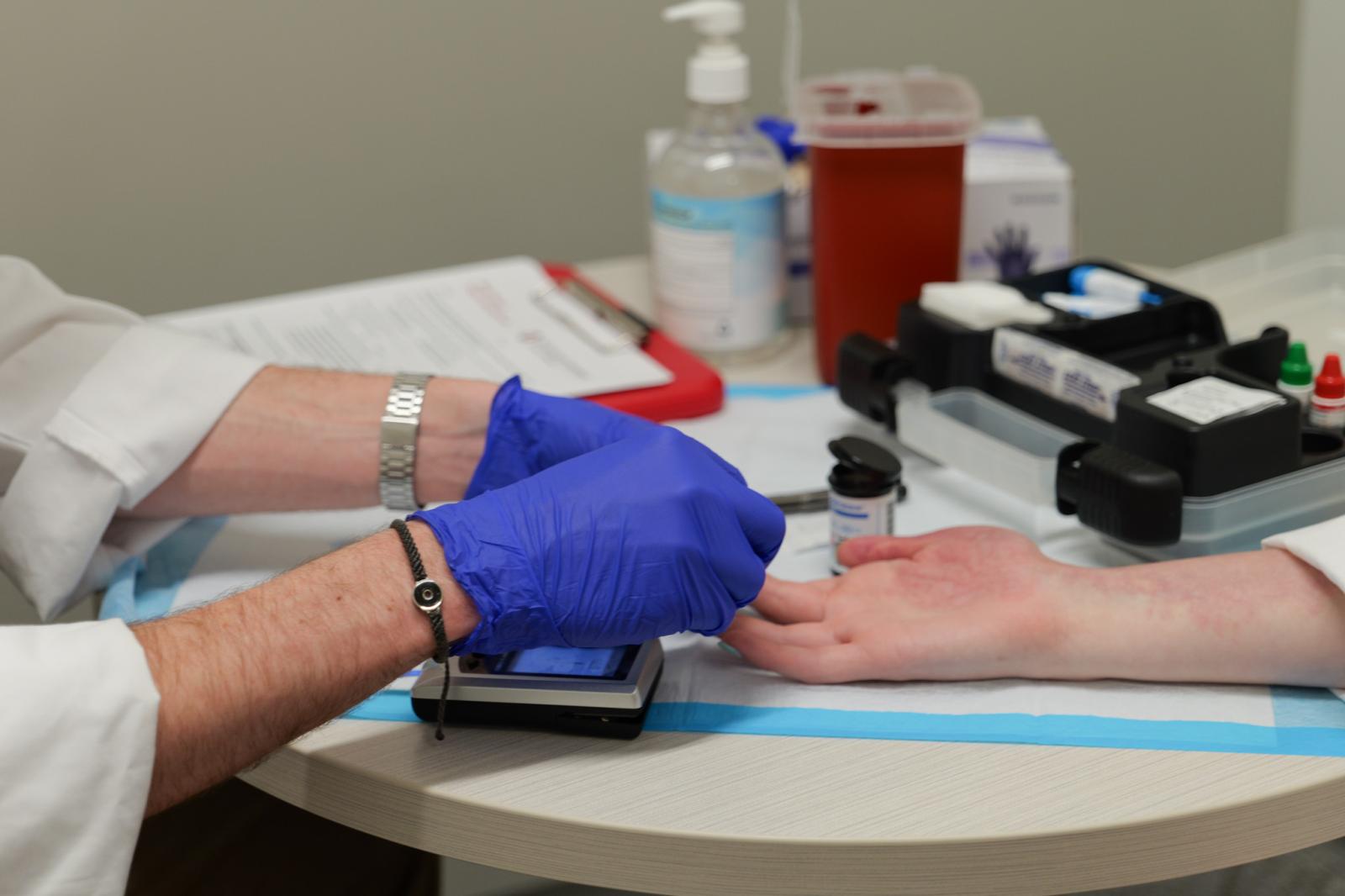
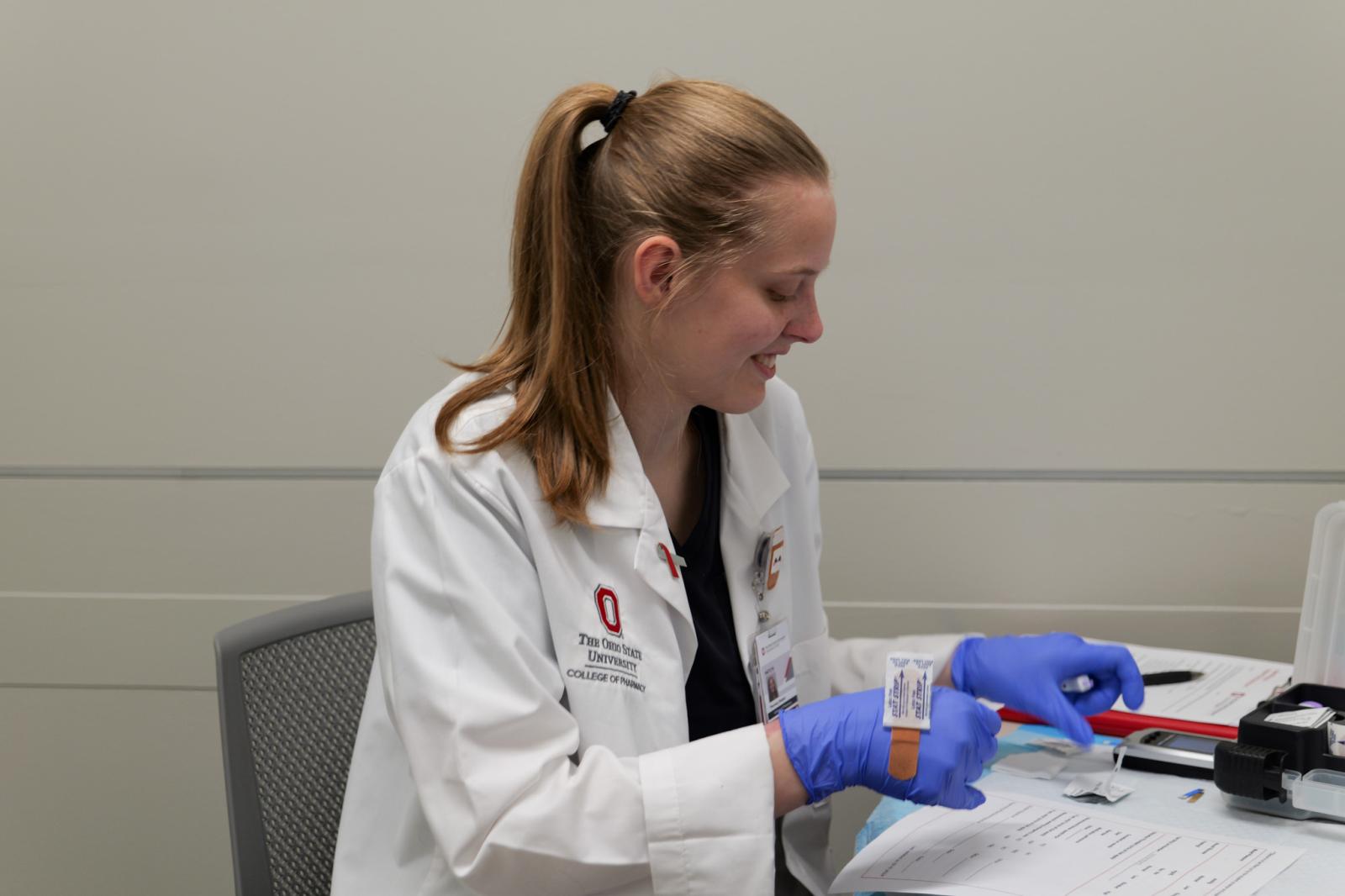
“This experience bridges the gap between the classroom and clinical practice by developing both technical proficiency and communication skills,” said Lorenzo Ventresca, P1 and student volunteer. “By mastering the physical technique of a fingerstick and operating a glucometer and a blood pressure monitor, I have become much more confident in my clinical skills. More importantly, practicing these skills allows me to translate health data into clear, actionable health advice for the patient.”
Ventresca and Schmotzer both supported the college’s POCT operation out of the Monda Student Resource Center (MSRC) this spring semester. MSRC is in the Younkin Success Center, a centralized location for a variety of student resources, including the Student Food Pantry and Reid Family Career Closet. The college utilized the center’s hoteling spaces to ensure that they worked out of an accessible, high-traffic location.
“It’s important to connect students with accessible resources to ensure students’ essential needs are met to increase academic engagement and physical and mental health,” said Morgan Vibbert, associate director of MSRC. “This service has been one of the most utilized resources in our hoteling spaces thus far and embodies our mission of students helping students.”
These ongoing offerings are a way for the college to give back to the university community and encourage students to step into their expertise as student pharmacists.
“The confidence lift that comes with successful patient interactions is wonderful to observe, especially in students earlier in their training,” Dr. Rodis said. “Once they have done a few patient encounters, they are energized and excited to take care of people. I also love the chance to raise awareness in students that, just because someone appears ‘healthy’ or ‘young’ does not mean they do not have possible health issues.”
While the role of pharmacists continues to expand thanks to advocacy and lobbying efforts, training like POCT certification ensures that Ohio State students are prepared to practice at the top of their license upon graduation. And as the most accessible health care professional for patients, it’s a major step for student pharmacists to carry expertise on these preventative health care measures into their careers.
“As community pharmacy shifts more toward a ‘test-and-treat' model, having this form of training makes me a more competitive candidate for internships and residencies that prioritize experience in clinical services,” Ventresca said. “When we prioritize screenings as future health care providers, we become authentic advocates for our patients. It fosters a culture of health consciousness within our community.”