Safe medication education offers major rewards for older adults
This article was published in The Script Magazine – Spring 2026.
By Ruth Emptage, PharmD '93, Associate Professor of Practice
Our aging population often manages several chronic conditions at once through a regimen of prescription and non-prescription medications and supplements. But with each additional medication comes an increased chance of an adverse drug event.
Research published in 2024 in JAMA showed that the use of potentially inappropriate medications for older adults and the prevalence of polypharmacy (taking five or more medications at once) increased from 1999 to 2020. These trends highlight the need for pharmacists to review comprehensive medication lists and help older adults understand the impact of those medications.
I’m fortunate that my role at The Ohio State University College of Pharmacy allows me to pursue my passion for educating students and patients about safe medication use in older adults. That passion began in high school in central Illinois, where I worked at an independent pharmacy. During a delivery to an independent living facility, an older adult asked how to use newly delivered nitroglycerin tablets. At 16, unsure of the answer, I called the pharmacist.
That moment showed me how essential it is to support older adults in understanding their medications. My training in geriatric pharmacy later reinforced just how important it is for pharmacists to help older adults gain the benefits of their therapies while minimizing the risks.
The College of Pharmacy is home to two outreach programs focused on safe medication use, both of which give student pharmacists hands-on experience working with older adults.
The Generation Rx Older Adult Toolkit uses a presentation and trivia-style game to teach safe medication practices tailored to an older adult audience. Student pharmacists help lead sessions, assist participants with compiling a comprehensive medication list, and review storage and disposal strategies.
The toolkit is available and used nationally. In 2024, the program reached over 1,500 people through direct engagement and over 3,000 people through indirect engagement via digital resources. With a recent expansion to offer a three-part educational series at community centers and libraries across Franklin County, the program’s reach continues to grow locally as well.
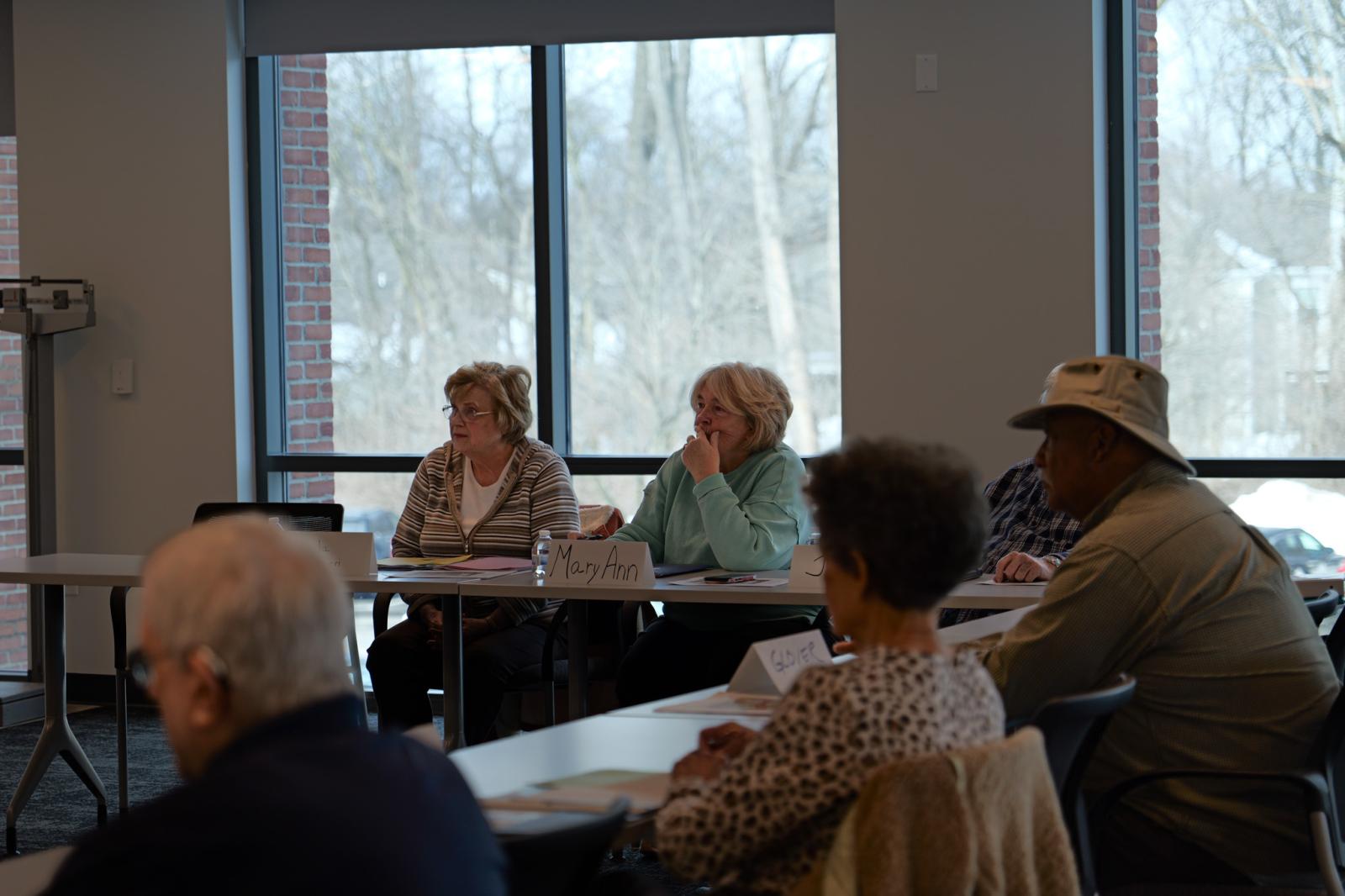
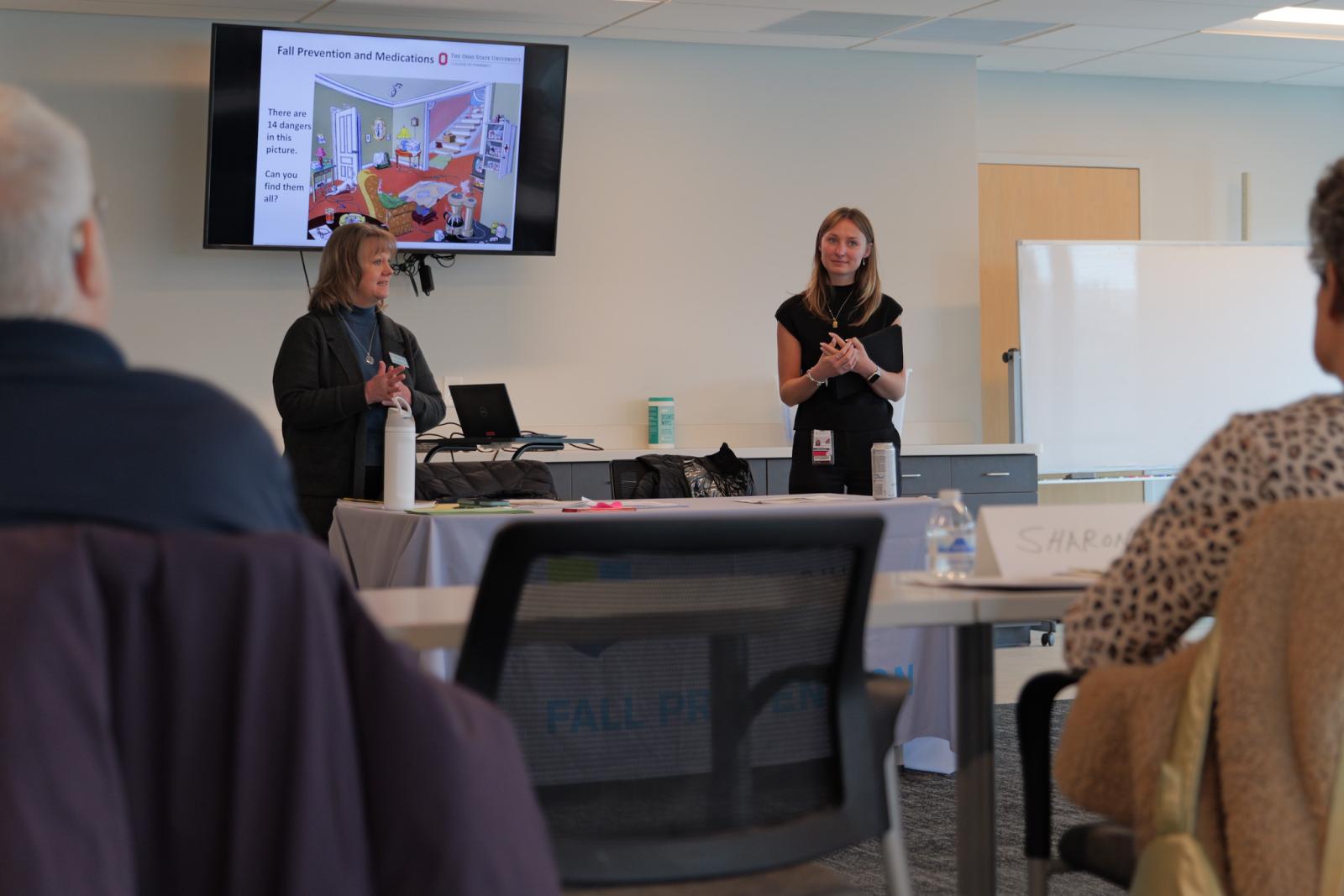
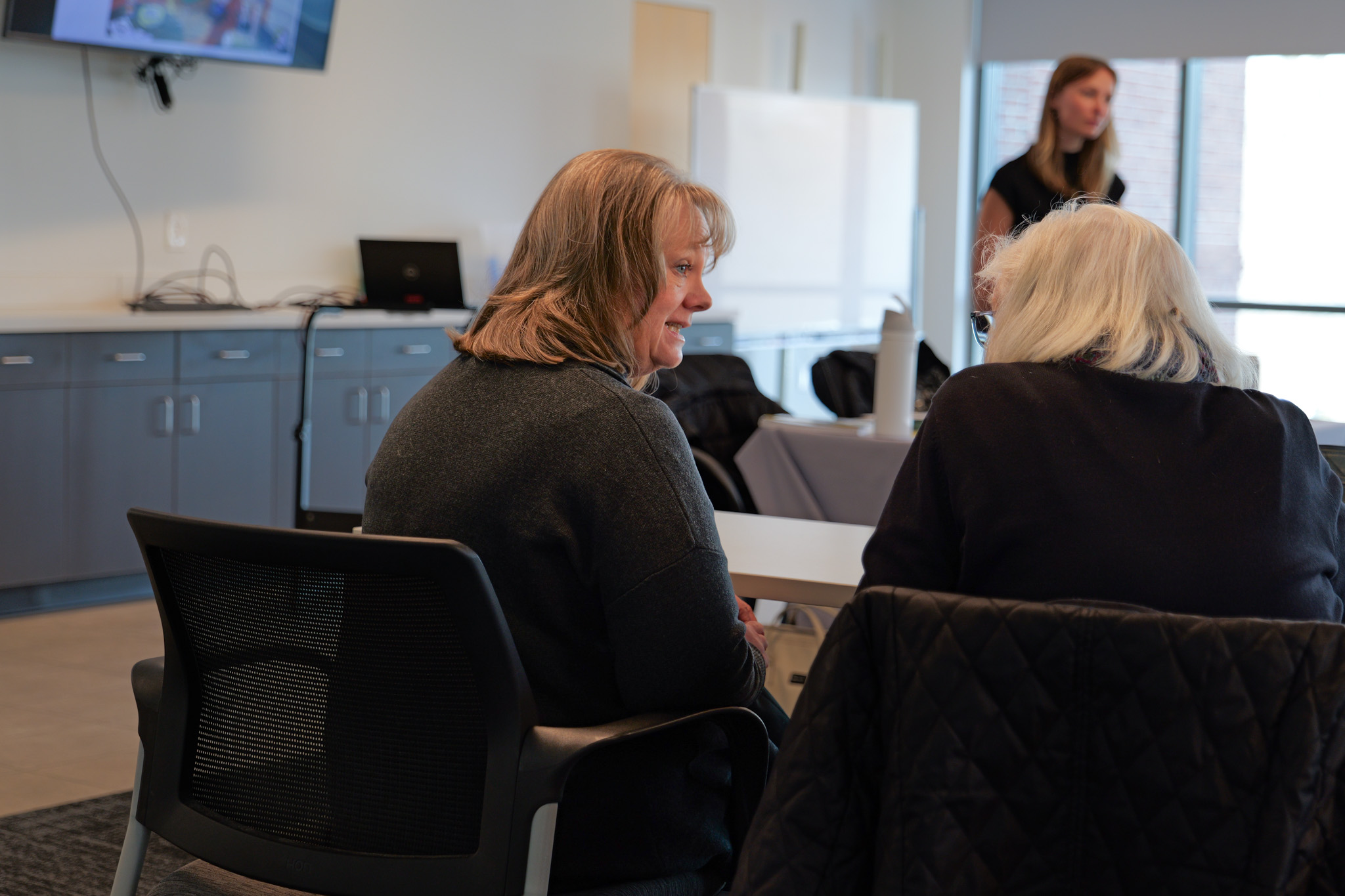
Our other outreach program focuses on fall prevention, emphasizing the medications that raise fall risk. Student pharmacists help deliver the education, answer questions and often meet one-on-one with older adults to review their medications and screen for fall risk. Participants leave with documentation to help them start a conversation with their primary provider.
Students have shown tremendous drive in developing and sustaining the fall prevention outreach. The American Society of Consultant Pharmacists (ASCP) student chapter at The Ohio State University has taken a leadership role in the fall prevention programming, securing $4,600 in grant funding and delivering programming, medication review and fall prevention tools to older adults. The impact of both outreach projects focused toward older adult participants have been evaluated through qualitative outcomes research published in peer-reviewed journals.
These programs benefit everyone involved. I’m grateful for the chance to pass along practical safe medication-use knowledge to student pharmacists, who in turn apply their skills in the community. Older adults receive reliable information about their medications and how to avoid potential medication-related problems. It’s a win-win-win for which I am proud to be able to contribute.