Transplant takes center stage: Alumna Cayla Kass works with kidney recipients in the Big Apple
This article was published in The Script Magazine – Autumn 2026.
Since her undergraduate days at The Ohio State University, theater has brought important levity to Cayla Kass, PharmD ’23, BSPS ’19.
Throughout pharmacy school and residency, Dr. Kass has been a member of many ensemble casts. Her latest role brought her to NewYork-Presbyterian specialty hospital, where she joined a talented troupe of professionals on Manhattan's Upper East Side.
“While I fought through organic chemistry, I was also pursuing a minor in music at Ohio State,” Dr. Kass said. “Finding something that you’re passionate about outside of school and work balances the overwhelming parts of your life. Living in New York as a new practitioner has been incredible, but I find balance through my time as a substitute usher and experiencing the arts.”
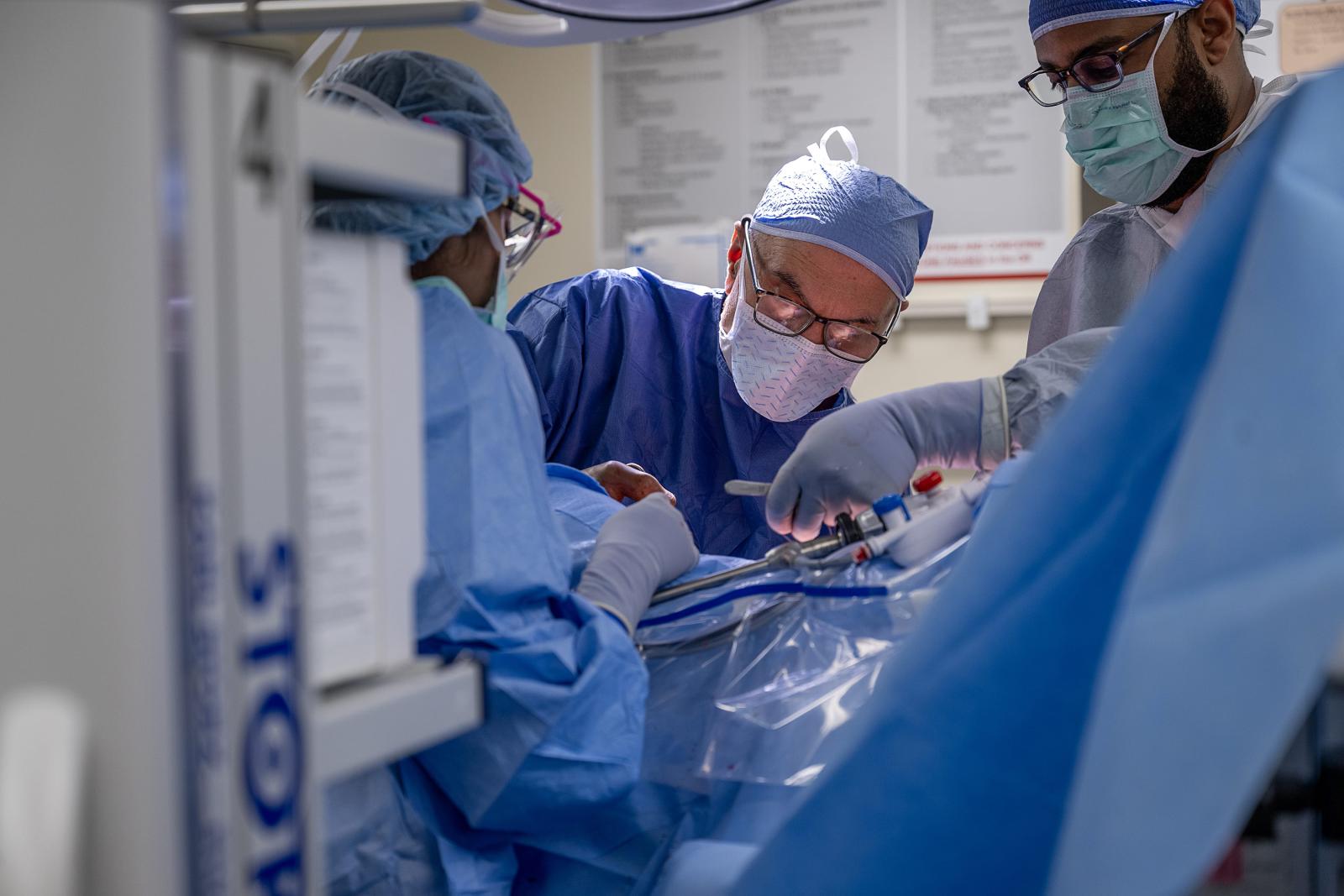
Her passion for theater is matched by a deep compassion for patients passing through New York-Presbyterian's nephrology unit. As a specialty pharmacist in kidney transplantation, she helps patients navigate each step of the transplant process, from awaiting an organ to returning home after surgery.
“All transplant teams are required to have a pharmacology specialist,” Dr. Kass said. “In these settings, we get to play an integral role on the interprofessional team and particularly, for our patients who are going through this major life event.”
Dr. Kass “fell into transplant pharmacy” thanks to her time as an intern at The Ohio State University Comprehensive Cancer Center – Arthur G. James Cancer Hospital and Richard J. Solove Research Institute. After a few semesters compounding in the hospital’s chemotherapy pharmacy, she was accepted into the summer clinical internship, where she was placed on the solid organ transplant team.
“Transplant pharmacy is so fascinating, with completely unique medications,” Dr. Kass said. “But it’s not something you get to interact with much in your typical curriculum. It was the field experience that exposed me to how good of a fit this career could be.”
That high level of patient interaction is what sealed the deal for Dr. Kass.
"It’s my job to educate them on their new normal to ensure that their body won’t reject the transplant.”
Specialty transplant pharmacists typically round with patients as they enter the hospital, consulting on crucial medications that they’ll be given throughout treatment. They play an essential role as patients transition back into a typical routine after their transplant, serving as the primary educator on patients’ new medication regimens.
“One of the most important aspects of my work is offering immunosuppression counseling,” Dr. Kass said. “Patients who have undergone a kidney transplant are on a lot of immunosuppressants to help their body accept the new organ, and keeping up with that after discharge can mean a rigorous medication routine. It’s my job to educate them on their new normal to ensure that their body won’t reject the transplant.”
Ensure that the transplant takes requires great care. Not including immediate post-surgical medications, transplant recipients end up on two to three lifetime medications to maintain function. The period immediately following their transplant requires close monitoring and careful follow-up.
“Each patient is different,” Dr. Kass emphasized. “Whether their new kidney is immediately in action or taking some time to pick up, we could be making renal dose adjustments every step of the way.”
It’s Dr. Kass's goal to make sure that patients have the best shot at maintaining organ function – especially given the amount of time it has taken for them to reach this point. Plenty of patients wait years before receiving a necessary transplant, and even if they are high on the waitlist, donors must be a genetic match.
“Kidney transplant is unique in that our patients with failing renal functions can utilize dialysis until it’s their time for transplant,” Dr. Kass said. “Which is not an easy thing to go through but at least keeps the situation less emergent than other organ failures.”
Transplant recipients who encounter infections post-surgery return to the care of Dr. Kass’s team, who will set them up with an intensive course of antibiotics to fight the infection without triggering the body’s rejection of the new organ.
While the discipline isn’t without its major obstacles, assisting with a successful transplant offers a major moment of hope for patients and care teams alike.
“Transplant medicine is truly incredible,” Dr. Kass said. “As a service, it’s so fulfilling. Our patients will come in very sick and leave with major improvements thanks to the immediate changes that a transplant offers.”