PhD candidates receive prestigious Presidential Fellowships
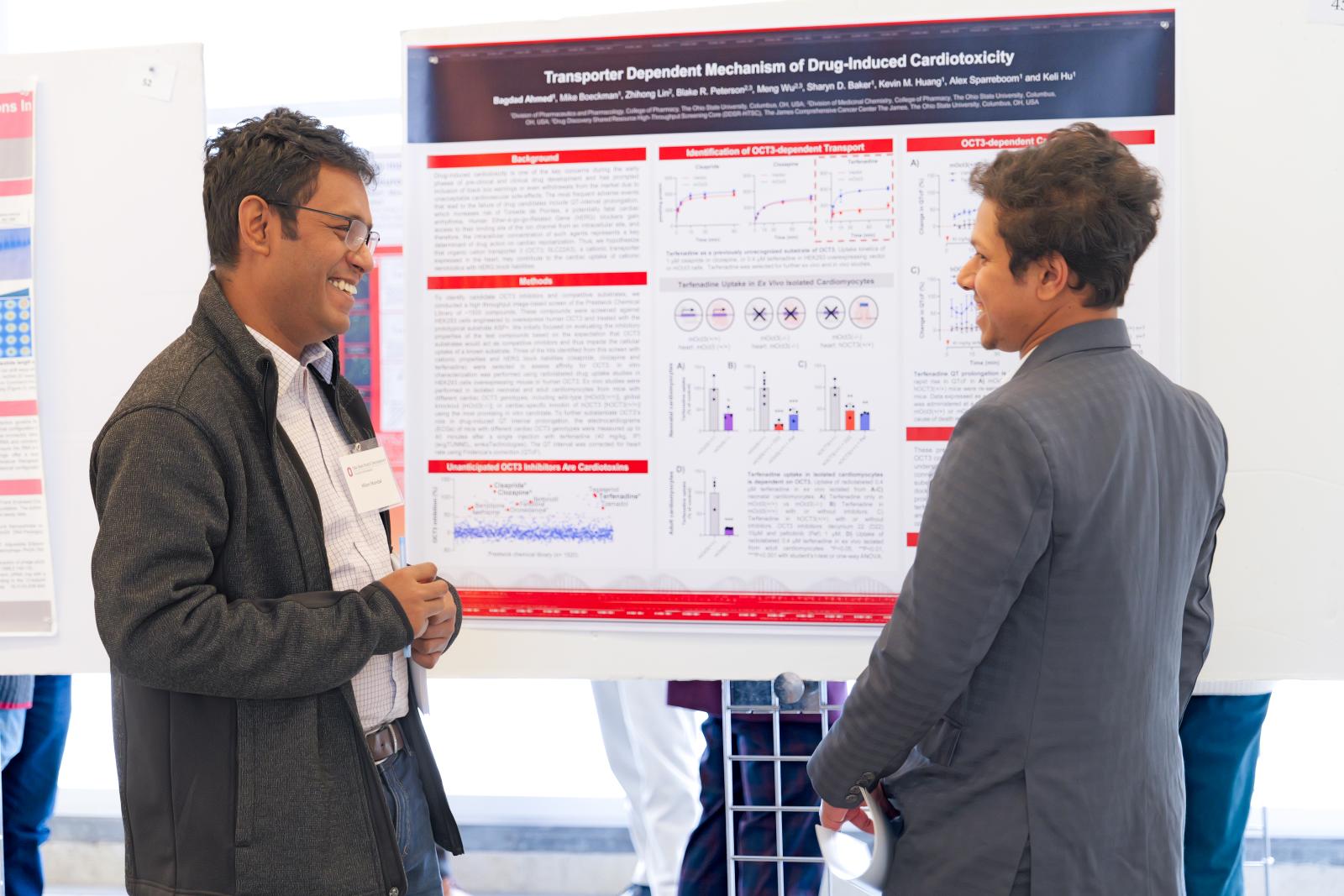
Two PhD candidates at The Ohio State University College of Pharmacy received Presidential Fellowships, one of the most prestigious awards given by the Ohio State Graduate School.
Kai (Jeffrey) Jin, MS, and Milon Mondal, MS, were announced as recipients of this highly competitive fellowship in December 2025, marking a first for the College of Pharmacy having two graduate students receive the fellowship in the same year.
The competitive fellowship is awarded annually to graduate students to support the completion of their dissertations and terminal degree projects. Candidates are nominated by a team of supporters who believe that their work exemplifies the tenets of research and that they display strong promise in defining their field of study.
This landmark achievement in both candidates’ research careers illustrates their innovative work in the field of pharmaceutical science and the strength of research mentorship at the College of Pharmacy.
Kai (Jeffrey) Jin, MS – The Guo Lab
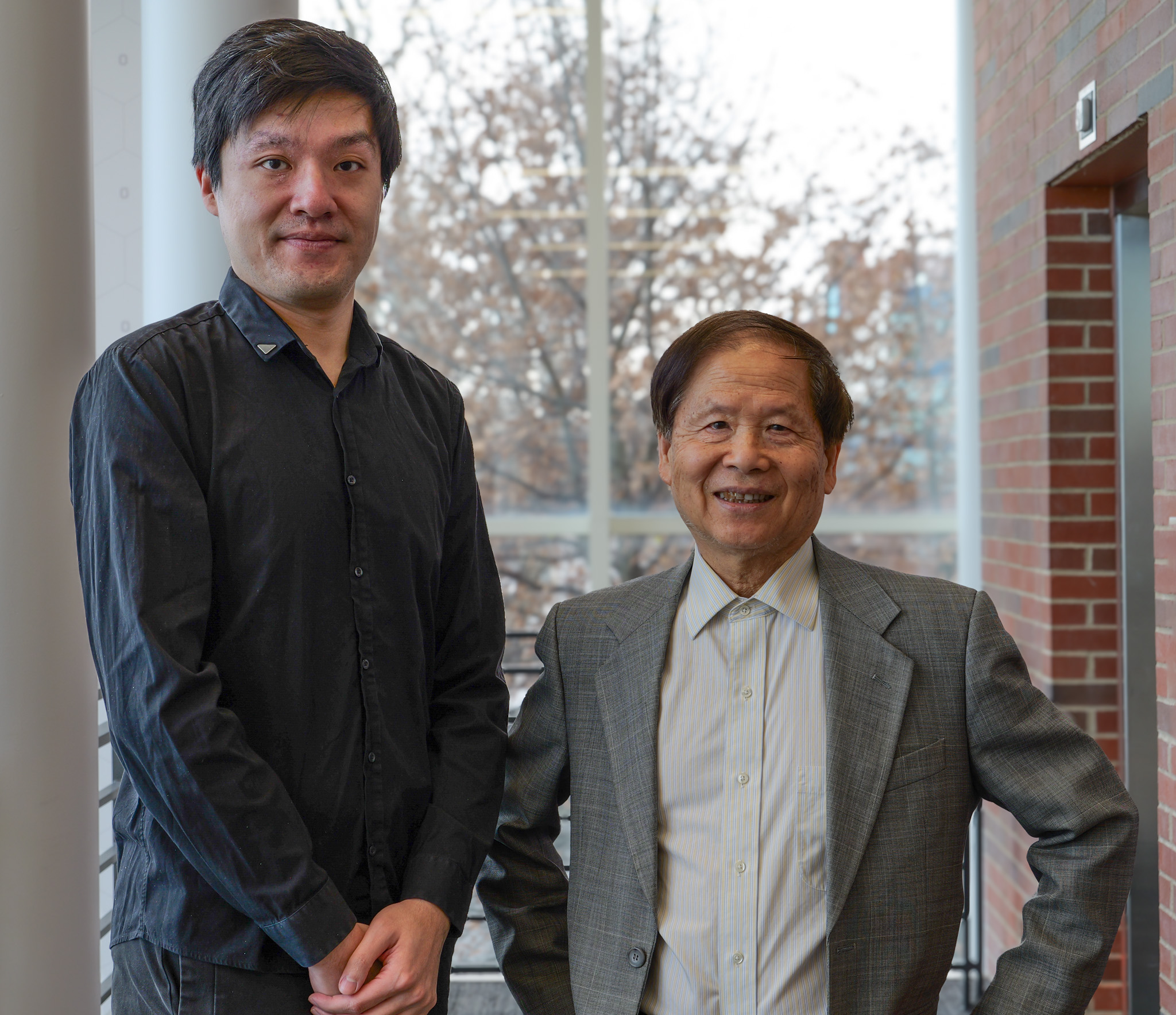 Jin is a fifth-year PhD candidate in the lab of Peixuan Guo, PhD, Sylvan G. Frank Endowed Chair and professor in the Division of Medicinal Chemistry and Pharmacognosy.
The Guo Lab is devoted to research on RNA nanotechnology, noncoding RNA and therapeutics.
Over his years spent in the Guo Lab, Jin’s research focuses on the overarching theme of RNA as a tool for treatment of disease states. His primary project investigates how a group of small noncoding packaging RNA (pRNA) discovered by the Guo Lab can fold and be utilized to develop small RNA nanoparticles for therapeutics and gene therapy and large mRNA hexamers for immune therapy and cancer vaccine development.
“Kai's dedication and determination to succeed in his research projects within the lab have been truly exceptional,” Dr. Guo said. “Throughout his time in the lab, Kai has encountered numerous obstacles in his research. However, he has adeptly surmounted these challenges with his strong problem-solving abilities and meticulous attention to detail.”
Recently, Jin co-authored a study published in Advanced Functional Materials detailing RNA micelle treatment of cancer. This publication comes almost four decades after Dr. Guo, as a student, determined that a short segment of noncoding RNA not only existed, but had important functions in cells.
Jin emphasized just how key Dr. Guo’s mentorship has been to his development as a researcher.
“Dr. Guo has been very influential in developing my research ideology,” Jin said. “He ignited my interest in bioinformatics by encouraging me to explore how my computational expertise could be used in new ways to characterize pRNA.”
As a senior PhD candidate in the lab, Jin has a hand in the success of the Guo Lab’s research as a scientist and leader. His work with Dr. Guo has advanced the understanding of how structural design principles can improve therapeutic delivery, safety and efficacy in cancer models.
“Kai’s proactive approach has not only contributed to his personal success, but has also positively impacted the lab,” Dr. Guo said. “His leadership abilities have shone through, as he consistently works to ensure the success of both himself and his colleagues. His willingness to share knowledge and support the growth of others has established him as a leader within the lab.”
At the College of Pharmacy, doctoral candidates are expected to produce at least one first-author publication within their projected five-year course of study. Jin has greatly exceeded this expectation with four first-author publications. His work has been instrumental to the Guo Lab’s design of the RNA complex for in vivo delivery.
“Mr. Jin stands out as an exceptionally accomplished and forward-thinking scientist whose achievements in research, scholarship and professional development far exceed the expectations of our PhD program,” said James Fuchs, PhD, associate dean for research. “I have no doubt that his work will continue to contribute meaningfully to the field of RNA nanotechnology and further strengthen Ohio State’s reputation for excellence in pharmaceutical sciences research.”
Milon Mondal, MS – The Pabla Lab
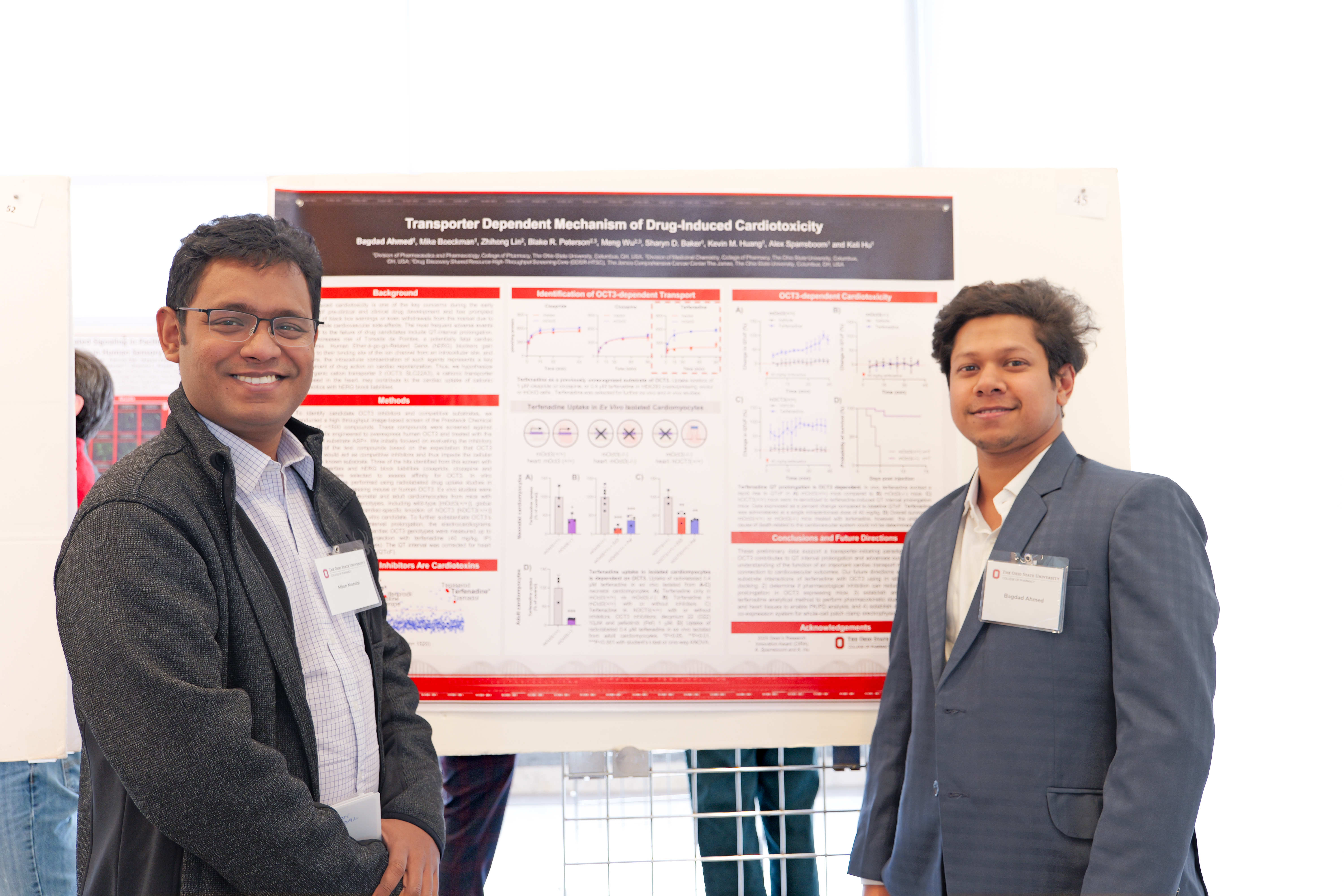
Mondal is a fourth-year PhD candidate in the lab of Navjot Pabla, PhD, associate professor in the Division of Pharmaceutics and Pharmacology. The Pabla laboratory focuses on identifying therapeutic targets for kidney diseases, a leading cause of morbidity and mortality in hospitalized patients.
Mondal’s contributions address this unmet need by investigating how post-translational modification of the antioxidant enzyme, glutathione peroxidase 4 (GPX4), regulates ferroptotic cell death in the kidneys. Ferroptosis is an iron-dependent form of cell death caused by the accumulation of oxidized lipids, a process akin to cellular “rusting.” GPX4 serves as a critical protective brake that prevents this process and preserves cell viability.
While inhibition of GPX4 is being actively pursued in cancer to promote tumor cell death, loss of GPX4 activity in the kidney can trigger acute kidney injury, a common condition with no FDA-approved therapies. Mondal’s work demonstrates that GPX4 is inactivated through kinase-mediated phosphorylation, which removes this protective brake and promotes ferroptotic injury. His findings identify a previously unrecognized regulatory mechanism and suggest that preventing GPX4 phosphorylation using kinase inhibitors could represent a novel therapeutic strategy to preserve kidney function.
“Milon’s studies position him at the forefront of a rapidly expanding research frontier that bridges fundamental redox biology with translational nephrology and precision pharmacology,” Dr. Pabla emphasized. “His early findings provide the first in vivo evidence that GPX4 phosphorylation acts as a regulatory switch for ferroptotic injury.”
With the support of the Presidential Fellowship, Milon will continue to investigate GPX4 and its broader implications in renal and cardiovascular disease.
“Milon has pursued this work with remarkable dedication, spending the past four years away from his young son and family while carrying out research of substantial scientific and translational importance,” Dr. Pabla added. “Milon’s work has been supported by an American Heart Association predoctoral fellowship and now the Presidential Fellowship, two highly prestigious awards that underscore the significance of his research and his exceptional potential as an emerging scientist. His intellectual rigor, creativity and unwavering dedication distinguish him as an outstanding trainee with a very bright future.”
Mondal has authored or co-authored a total of 26 peer-reviewed publications, including multiple first-author papers in high-impact journals such as Chemical Research in Toxicology, Heliyon and Toxicology Reports. His work has attracted over 380 citations and earned an h-index of 13, reflecting strong scholarly impact for a predoctoral researcher.
“The Presidential Fellowship has always been an inspiration to me,” Mondal said. “As a young researcher, I looked up to the groundbreaking research that Presidential Fellows completed, and they pushed me to pursue my own. Now, I’m working on developing treatment for something that affects so many people but has no effective therapies.”
To extend his expertise beyond the bench, Mondal is an active member in professional research organizations, particularly the American Heart Association (AHA) and the American Association of Pharmaceutical Scientists (AAPS). By initiating these learning experiences himself, he has prepared for the next steps in his career, with an expected fall 2026 graduation timeline.
“His academic progress and depth of understanding across pharmacology, toxicology and pharmaceutics are exemplary,” Dr. Fuchs said. “Mr. Mondal’s combination of intellectual ability, technical skill and scientific curiosity marks him as one of the most promising young researchers in our program.”