2025 in Review: The College of Pharmacy's most-read stories of 2025

As 2025 draws to a close, the College of Pharmacy is proud to reflect on a year of progress and impact.
Our faculty and students traveled across Ohio, engaging communities with vital health resources and strengthening support for local pharmacies. Our researchers and PhD candidates advanced federally funded studies and guided discoveries into clinical trials. Throughout the year, our faculty tackled pressing challenges in the pharmacy field—analyzing complex issues and shaping policy solutions.
Here are the 10 most-read stories of 2025.
The growing crisis of pharmacy deserts
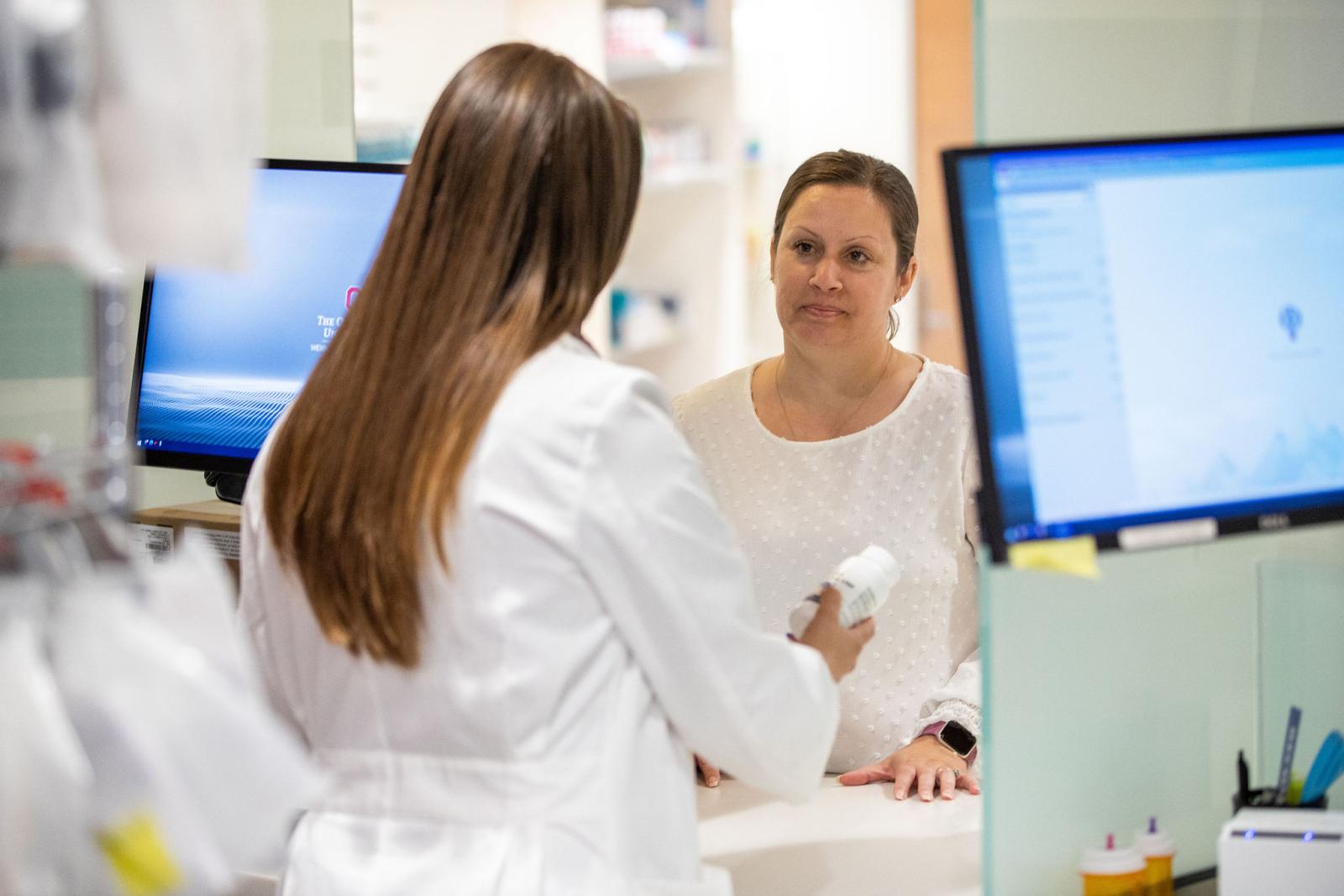 Pharmacy deserts are areas where residents lack reasonable access to a local pharmacy. Typically, these communities are defined as locations where individuals must travel excessive distances—often greater than 10 miles—to reach the nearest pharmacy.
This issue of PolicyRx, a newsletter by E. Michael Murphy, PharmD, MBA, and Jennifer Rodis, PharmD, FAPhA, explores the increase of pharmacy deserts and what that means for patient care and policy.
The rewards of discovery: A PhD candidate’s journey to clinical trials
 Min Hai, a PhD candidate in the Phelps-Coss Laboratory at The Ohio State University College of Pharmacy, is three years into her doctoral training and can already claim a role in guiding a drug candidate through discovery and into clinical trials.
For the past two years, her research has focused on the pharmacometric development of HOSU-53 (JBZ-001) – spending countless hours in front of a computer monitor helping to drive this promising new cancer therapy molecule forward.
Shedding light on NADAC: How pricing power influences pharmacy reimbursement
 The past year has exposed a little-seen but enormously important sector of the pharmacy reimbursement system: how much pharmacies actually pay to acquire medications. At the center of this conversation is the National Average Drug Acquisition Cost (NADAC), a federal pricing benchmark used by most state Medicaid programs—and increasingly by commercial plans—to reimburse pharmacies for ingredient costs
This issue of PolicyRx, a newsletter by E. Michael Murphy, PharmD, MBA, and Jennifer Rodis, PharmD, FAPhA, explores NADAC, why it matters and what recent volatility reveals about pricing power, transparency and the future of pharmacy reimbursement.
Dr. A. Douglas Kinghorn leads $7 million NCI grant renewal for cancer drug discovery research
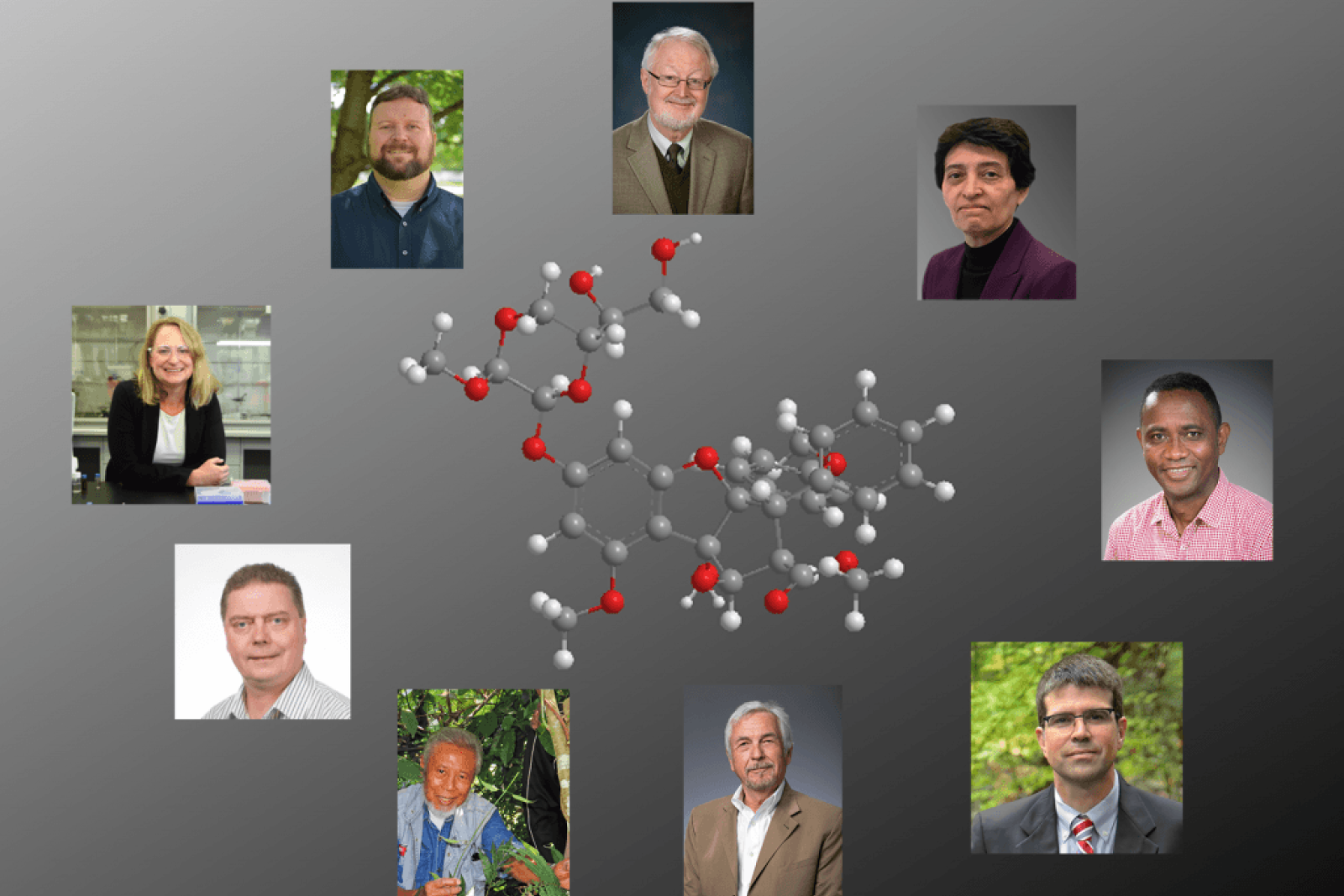 The Ohio State University College of Pharmacy and Comprehensive Cancer Center – Arthur G. James Cancer Hospital and Richard J. Solove Research Institute (OSUCCC – James) have been awarded a five-year, $7 million competitive Program Project Grant (PPG) renewal from the National Cancer Institute (NCI).
This renewal will continue to support the college’s longest-funded research project and its only active P01 grant. It remains the only NCI-funded PPG in the nation led by a pharmacy investigator.
Award-winning toolkit empowers rural Ohioans to make informed health care decisions
 In response to low vaccination rates and nationwide discourse about the safety and efficacy of the COVID-19 vaccines, the OSU Extension team designed a toolkit to conduct vaccine education outreach in rural communities. Myriam Shaw Ojeda, PharmD, MPH, assistant professor at the College of Pharmacy and OSU Extension co-led this effort.
Through a grant from the Extension Foundation funded by the U.S. Centers for Disease Control and Prevention and the USDA - National Institute of Food and Agriculture (NIFA), the team crafted the Extension Collaborative on Immunization Teaching and Engagement (EXCITE) vaccine toolkit.
Pain and antidepressant drug combo linked to increased seizure risk in older adults
 A study led by Yu-Jung “Jenny” Wei, PhD, associate professor of pharmaceutics and pharmacology, found that when older adults living in nursing homes are prescribed the pain medicine tramadol alongside certain antidepressants, their risk of seizures may go up.
“Tramadol is one of the commonly prescribed opioid agonists for pain management in older adults, including those residing in nursing homes,” Dr. Wei said. “Preclinical studies and case reports have indicated that co-use of tramadol with CYP2D6-inhibiting antidepressants reduces tramadol metabolism and increases its blood concentrations, which may enhance the risk of tramadol-induced toxicity, including seizures. Yet, such an association had not been empirically investigated until the conduct of our study.”
Proud he’s ours: He defined the best medicine for kids
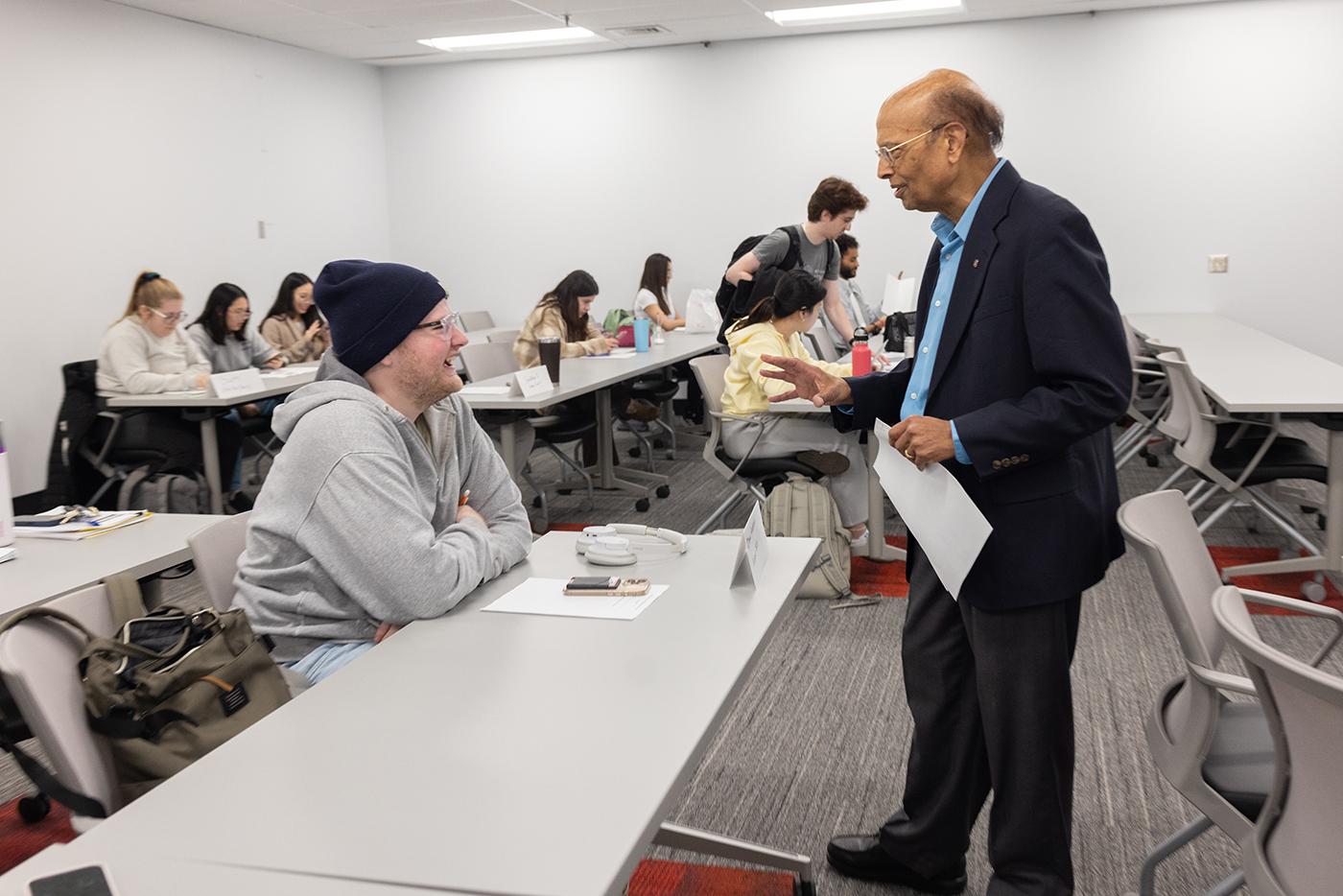 “Dr. Nahata is one of the most influential leaders in pediatric pharmacy in history, certainly in the last 50 years,” says Robert Kuhn ’80, professor emeritus of pharmacy at the University of Kentucky. He trained under Nahata as a clinical postdoctoral fellow.
This profile, published by Ohio State Alumni Magazine, provides an overview of Professor Milap Nahata's career, defining the field of pediatric pharmacy and mentoring generations of future pharmacists.
Prescription discount cards: Who do they benefit? Who do they hurt?
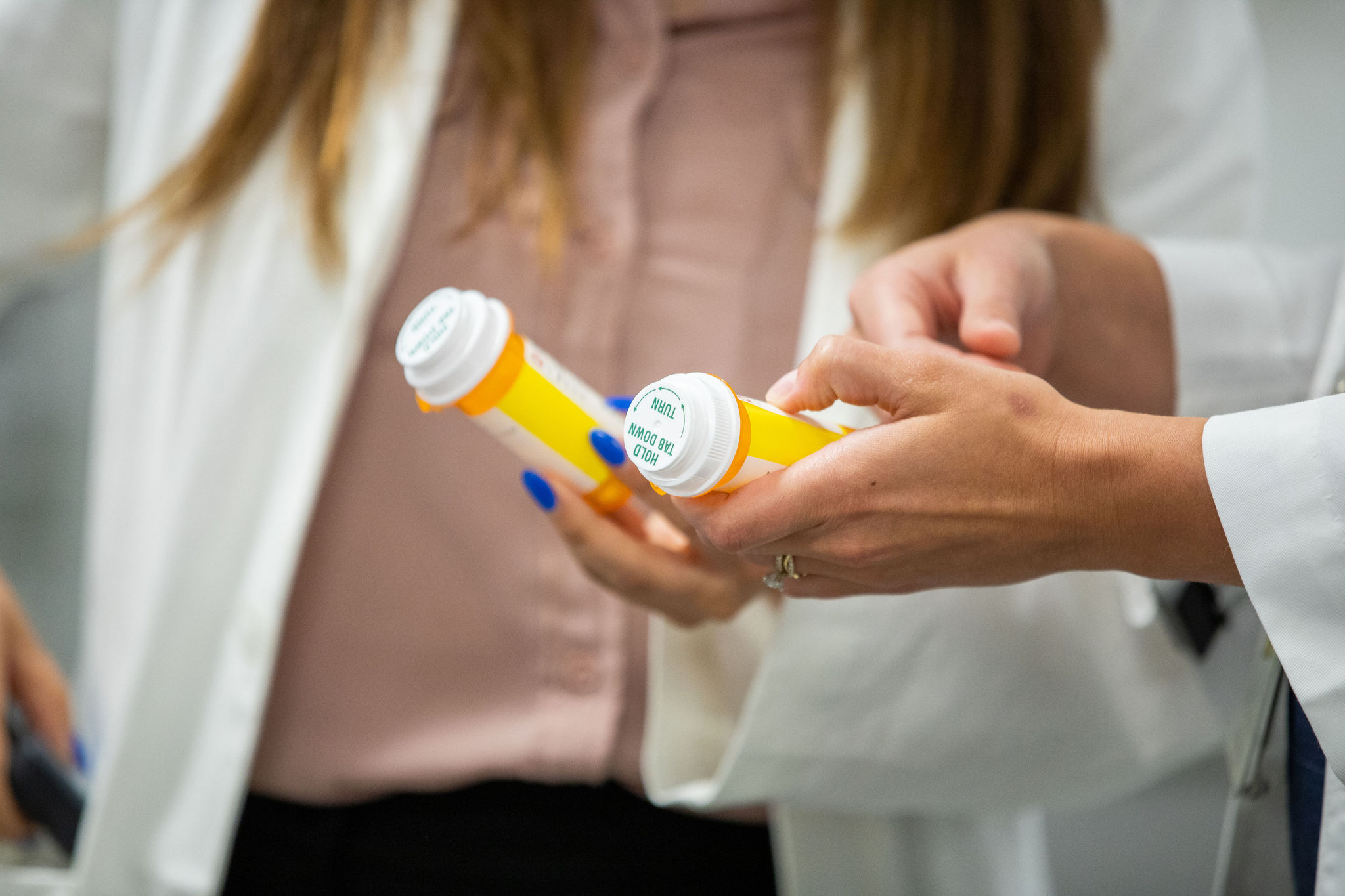 Beyond public and private insurance, or paying cash for prescription medications, discount cards have risen in popularity as a means to reduce the costs of certain medications.
This issue of PolicyRx, a newsletter by E. Michael Murphy, PharmD, MBA, and Jennifer Rodis, PharmD, FAPhA, explains the variety of prescription discount cards and how they affect the larger pharmacy landscape.
PharmD students hit the road for Rural Appalachian Pharmacy Service-Learning course

The inaugural student cohort of the Rural Appalachian Pharmacy Service-Learning (RAPS) course spent October 16-18 in Athens for the course’s service-learning trip.
Throughout the seven-week course, students learned about rural communities in southeast Ohio, identified health needs in the area and designed outreach initiatives in response to those needs.
Why community pharmacies are closing – and what to do if your neighborhood location shutters
 The closure of local pharmacies threatens individual and community access to medications, pharmacist expertise and essential public health resources.
This article, originally published in The Conversation by Lucas A. Berenbrok, E. Michael Murphy and Sophia Herbert, explores the causes of pharmacy closures and implications for patients and health care systems.